Best Time to Pressure Wash Outdoor Surfaces in Salisbury
Maintaining exterior surfaces in Salisbury requires a solid understanding of local weather patterns. Between damp, cool winter months and humid seasonal shifts, outdoor areas such as driveways, timber decking, patios, and stone pathways regularly fall victim to moss, black lichen, and organic algae buildup. To achieve long-lasting results and protect structural materials, timing your pressure washing project appropriately throughout the year is essential.
The Optimal Season: Spring and Early Summer
For most homeowners and property managers across Salisbury, the window from late March through June represents the prime season for exterior surface cleaning. By spring, the freezing winter temperatures have passed, eliminating the risk of water freezing inside porous stone or masonry joints. Washing during this timeframe effectively removes the accumulation of winter moisture, decomposing leaves, and slippery organic matter, leaving patios and driveways clean and safe for the warmer months ahead.
Additionally, late spring offers longer daylight hours and mild ambient temperatures. These conditions allow surfaces to dry rapidly after washing, which prevents lingering moisture from immediately encouraging fresh spore germination. If you plan to apply protective sealants to block paving or natural stone, spring provides the consistent, mild climate required for chemical sealers to cure properly.
Seasonal Guide to Exterior Cleaning in Salisbury
Spring (March to May)
Spring is the ideal time to clear away moss and mildew that thrived in damp winter conditions. It also readies outdoor entertainment areas, garden furniture, and paved spaces for everyday use. As of 2026, modern eco-friendly biocide treatments are commonly paired with soft washing techniques during spring to eliminate algae roots without damaging older masonry.
Summer (June to August)
Summer offers fast drying times and minimal rainfall, making it suitable for heavy-duty commercial pressure washing, driveway sealing, and render cleaning. However, it is important to avoid washing in direct, scorching midday sun, as cleaning solutions can dry prematurely and leave unsightly streaks or chemical residues on surfaces.
Autumn (September to November)
Early autumn provides a final opportunity to wash surfaces before winter sets in. Removing fallen leaves, sap, and surface grime prevents driveways and garden steps from turning into slick safety hazards when damp weather arrives. Washing in autumn also reduces the amount of organic material left to rot on timber decking over the wet winter.
Winter (December to February)
Pressure washing is generally not recommended during Salisbury's winter months. Freezing ambient temperatures turn runoff water into dangerous sheets of ice and can cause frost damage. Water forced into small cracks in concrete or brickwork can freeze, https://pressurecleaningsalisbury.com.au/roof-cleaning/ expand, and trigger structural spalling or crack widening.
Best Times to Clean Common Exterior Surfaces
Different materials tolerate weather conditions differently. Planning your cleaning schedule around specific exterior features will yield the best results:
- Block Paving and Driveways: Best cleaned in mid-spring to early summer so jointing sand can completely dry out before re-sanding and sealing.
- Timber Decking and Composite Boards: Clean in late spring using lower pressure settings to avoid gouging soft wood fibers prior to summer use.
- Natural Sandstone and Limestone Patios: Schedule for early summer on dry days to ensure deep-rooted lichen stains can be lifted and treated effectively.
- Exterior Render and Cladding: Optimal in late spring or early autumn using gentle soft-wash techniques to avoid stripping delicate wall coatings.
Ideal Day-of Weather Conditions
Even within the ideal seasons, individual daily weather conditions make a significant difference in the final outcome of your cleaning project. Keep an eye on local forecasts and aim for these parameters:

- Moderate Temperatures: Select a day with temperatures consistently between 10°C and 22°C (50°F to 72°F) to avoid freezing risks or rapid chemical evaporation.
- Overcast Skies: Light cloud cover prevents detergents from drying too fast, giving cleaning agents sufficient dwell time to break down heavy grime.
- Low Wind: Calm weather ensures that overspray from cleaning agents and dislodged debris does not blow onto adjacent vehicles, windows, or delicate garden beds.
- Zero Rain in the 24-Hour Forecast: If your project involves sealing joints or applying preventative biocides, dry weather is necessary to allow full chemical bonding.
By scheduling your exterior cleaning during the mild, dry periods of spring and early summer, you preserve the structural integrity of your property's hardscapes while keeping outdoor spaces looking their best year-round.

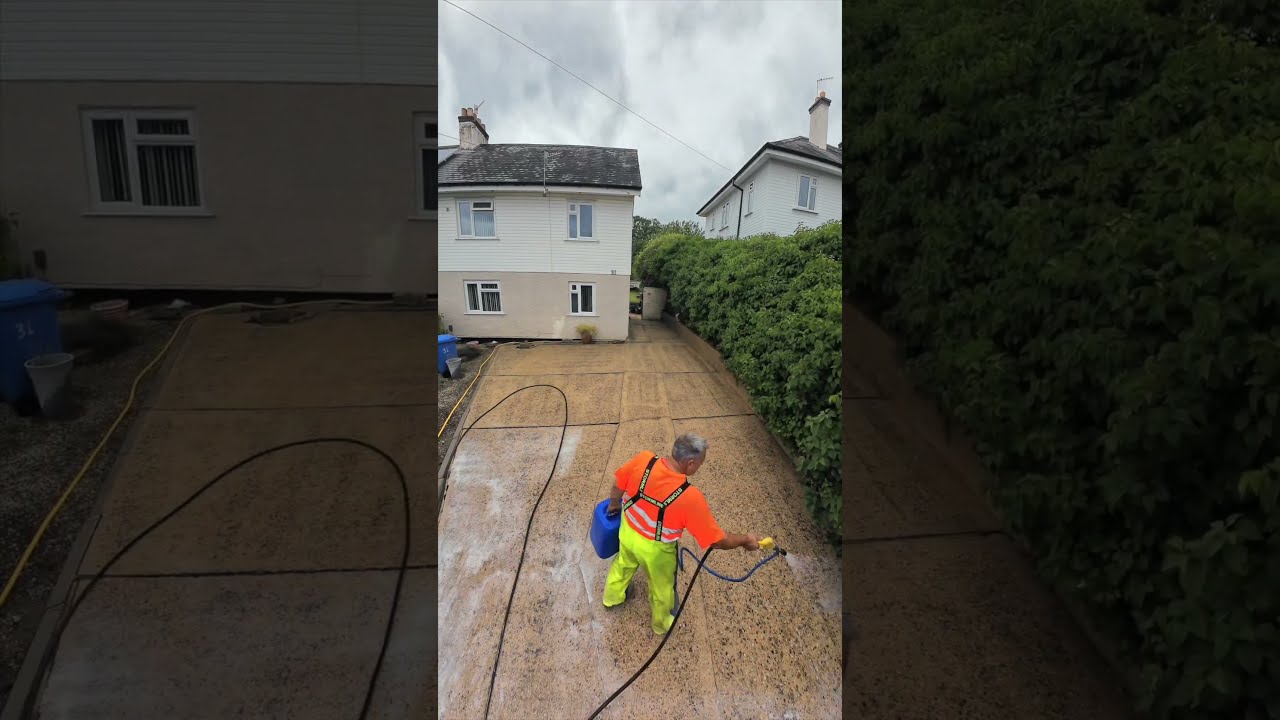
Salisbury Pressure Cleaning
Unit 6/44 Cheviot Rd, Salisbury South SA 5106
(08) 7282 0848